
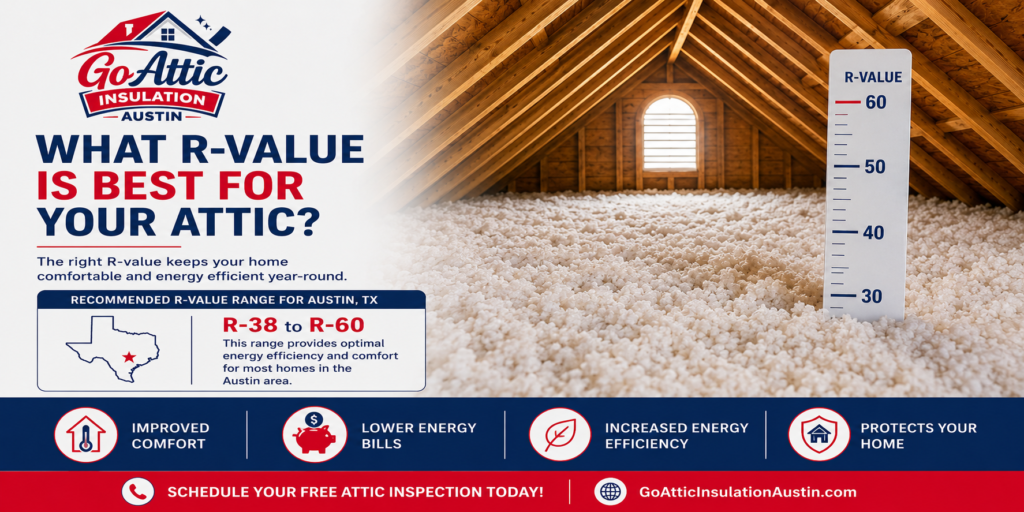
When it comes to making your home more comfortable and energy efficient, choosing the right attic insulation is one of the most important decisions you can make. However, simply adding more insulation is not always the answer. The effectiveness of insulation depends on its R-value, which measures its ability to resist heat flow. Understanding what R-value is best for your attic can help you improve indoor comfort, reduce energy costs, and protect your home throughout the year.
Understanding R-Value
R-value is a measurement of how well insulation slows the transfer of heat. The higher the R-value, the better the insulation performs. Different insulation materials have different R-values per inch, so the thickness and type of insulation both affect overall performance.
A properly insulated attic helps:
- Keep cool air inside during hot summers.
- Reduce heat loss during cooler weather.
- Improve HVAC efficiency.
- Lower monthly energy bills.
- Create a more consistent indoor temperature.
Choosing the correct R-value ensures your attic provides the protection your home needs without unnecessary expense.
Recommended Attic R-Values
The ideal R-value depends on your climate zone. Homes in warmer climates like Austin generally require less insulation than homes in colder northern regions, but proper insulation is still essential because Texas summers place heavy demands on air conditioning systems.
Many homes in the Austin area benefit from attic insulation within the recommended range for this climate, helping maintain comfortable indoor temperatures while improving energy efficiency. If your existing insulation has settled, become damaged, or no longer meets current recommendations, upgrading can provide noticeable improvements.
Factors That Affect the Right R-Value
Several factors determine the best insulation level for your attic.
Existing Insulation
Older homes often have insulation that has compressed or deteriorated over time. Even if insulation is present, it may no longer provide adequate thermal resistance.
Insulation Material
Different materials offer varying R-values per inch, including:
- Fiberglass
- Blown-in cellulose
- Spray foam
- Mineral wool
Each material has advantages depending on your home’s construction and energy goals.
Attic Ventilation
Proper ventilation works together with insulation to control heat and moisture. Good airflow helps prevent excessive attic temperatures and reduces the risk of moisture-related issues.
Home Design
Roof shape, attic size, ceiling height, and the presence of ductwork all influence how insulation performs and how much is needed.
Signs Your Attic May Need More Insulation
Many homeowners don’t realize their attic insulation is underperforming until comfort or energy problems develop.
Common signs include:
- High cooling costs.
- Uneven room temperatures.
- Hot upstairs rooms.
- HVAC system running longer than usual.
- Drafts despite closed windows.
- Visible gaps or thin insulation in the attic.
If you notice these issues, an attic inspection can determine whether additional insulation is needed.
Benefits of Choosing the Proper R-Value
Installing the appropriate amount of attic insulation provides long-term advantages beyond lower utility bills.
Some of the biggest benefits include:
- Better year-round comfort.
- Improved energy efficiency.
- Reduced strain on heating and cooling equipment.
- More consistent indoor temperatures.
- Improved indoor air quality by reducing outside air infiltration.
- Increased home value and overall efficiency.
Rather than simply adding insulation, selecting the proper R-value ensures balanced performance and lasting results.
Can You Have Too Much Attic Insulation?
While adequate insulation is essential, more insulation is not always better if it is installed incorrectly. Excessive insulation can block attic ventilation, trap moisture, and reduce airflow, which may lead to mold growth or roofing issues over time. The goal is to achieve the recommended R-value while maintaining proper attic ventilation. A balanced insulation system helps your home stay energy efficient without creating unwanted moisture or heat buildup.
Does Attic Insulation Lose Its R-Value Over Time?
Yes, attic insulation can become less effective as it ages. Insulation may settle, compress, absorb moisture, or become damaged by pests, reducing its overall R-value. Even if your attic appears to have enough insulation, its performance may not be what it once was. Regular attic inspections can identify areas where insulation has deteriorated or shifted, allowing homeowners to restore the proper level of thermal protection before energy costs increase.
Why Professional Attic Insulation Assessment Matters
Every home is different, and determining the ideal R-value requires more than simply measuring insulation depth. A professional attic assessment considers factors such as the age of the home, existing insulation, attic ventilation, air leaks, and the local climate. This comprehensive evaluation helps ensure that any insulation upgrades provide the greatest possible improvement in comfort, energy efficiency, and long-term performance. Investing in a professional assessment can help homeowners avoid unnecessary costs while ensuring their attic insulation meets their home’s specific needs.
Let Go Attic Insulation Austin Help Improve Your Home
If you’re unsure whether your attic has the right R-value, Go Attic Insulation Austin is here to help. Our experienced team provides professional attic insulation evaluations and installation services throughout Austin, TX. We assess your existing insulation, recommend the appropriate R-value for your home, and install high-quality insulation designed to improve comfort and energy efficiency.
Whether you’re upgrading an older attic or insulating a newer home, we’re committed to delivering reliable workmanship and personalized solutions that help protect your investment for years to come. Contact Go Attic Insulation Austin today to schedule your attic insulation assessment and discover how the right R-value can make a noticeable difference in your home’s comfort and performance.