
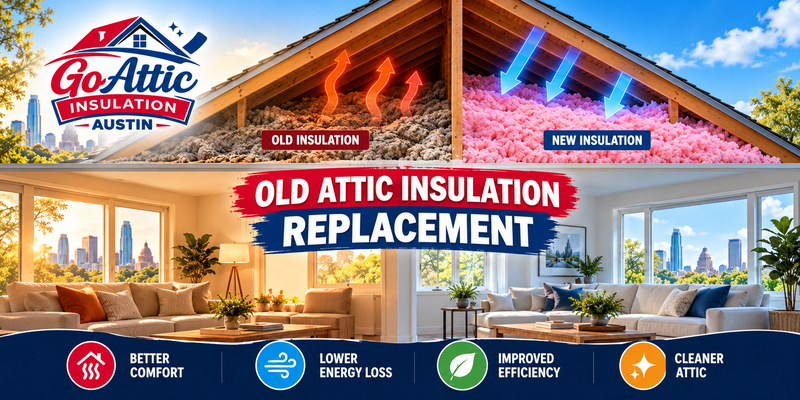
Your attic insulation plays a major role in keeping your home comfortable, but it is also one of the most overlooked parts of home maintenance. Many homeowners in Austin, TX, continue using old, damaged, or insufficient insulation without realizing how much it may affect indoor temperatures and energy consumption.
With Austin’s scorching summers, occasional winter freezes, and fluctuating seasonal temperatures, maintaining effective attic insulation is particularly important. Over time, insulation can settle, become compressed, absorb moisture, or suffer damage from pests. These problems may reduce its ability to protect your home from unwanted heat transfer.
But is replacing old attic insulation really worth the investment? For homes with damaged, contaminated, or severely inadequate insulation, replacement can be a valuable improvement. However, insulation that remains in good condition may only need additional coverage or air sealing.
Understanding when replacement makes sense can help Austin homeowners make smarter decisions about comfort, efficiency, and long-term property maintenance.
1. Old Attic Insulation Can Increase Energy Consumption
One of the biggest reasons homeowners consider attic insulation replacement is rising heating and cooling expenses.
During Austin’s hot summers, heat from the attic can transfer into the living space below, increasing the workload on air conditioning systems. During winter, heat moves in the opposite direction, escaping from warmer indoor spaces toward the colder attic.
Insulation slows this heat transfer, helping maintain more consistent indoor temperatures.
However, when existing insulation is missing, uneven, compressed, or damaged, its effectiveness may be reduced.
Common warning signs include:
- Higher electricity bills without a clear explanation
- Air conditioning running frequently during summer
- Rooms becoming uncomfortable during temperature extremes
- Noticeable hot or cold spots throughout the house
- Insulation that appears thin, damaged, or uneven
Replacing deteriorated insulation or upgrading inadequate coverage can reduce unnecessary heat transfer and help improve overall home energy efficiency.
2. New Attic Insulation Improves Year-Round Indoor Comfort
Comfort is another important reason to consider upgrading old attic insulation.
Austin homeowners often experience upstairs bedrooms that become excessively warm in summer or certain rooms that remain unusually cold during winter.
These temperature differences can result from insufficient insulation, attic air leaks, HVAC airflow problems, or a combination of these issues.
Properly installed attic insulation helps create a more consistent thermal barrier between your conditioned living spaces and the attic.
Potential comfort improvements include:
- More consistent temperatures between rooms
- Reduced heat transfer through ceilings
- Better indoor comfort during summer heatwaves
- Improved warmth during winter cold fronts
- Less strain on heating and cooling equipment
While insulation cannot solve every temperature imbalance, it is an important part of maintaining a comfortable and energy-efficient home.
3. Moisture Damage and Pest Contamination May Require Replacement
Not all old attic insulation needs to be removed simply because of its age.
However, insulation affected by water damage, mold, rodent activity, or other contamination may require professional removal and replacement.
Roof leaks, plumbing problems, and inadequate moisture control can leave insulation damp or damaged. Rodents may also disturb insulation and contaminate it with nesting materials or droppings.
Signs that your attic insulation may need replacement include:
- Wet or water-stained insulation
- Musty odors coming from the attic
- Visible mold or suspected microbial growth
- Rodent droppings or nesting materials
- Severely compressed or displaced insulation
- Damage affecting large sections of attic coverage
Before installing replacement insulation, the underlying moisture problem or pest infestation should be resolved.
Professional assessment is especially important when contamination is present, since improper handling can disturb potentially hazardous materials.
4. Replacing Insulation Creates an Opportunity for Better Air Sealing
Many Austin homes lose conditioned air through small, hidden openings between the attic and living spaces.
These gaps frequently occur around plumbing penetrations, electrical wiring, attic access openings, and ceiling fixtures.
Even high-quality insulation cannot fully prevent air leakage through unsealed gaps.
When deteriorated insulation is removed, previously concealed openings may become easier to identify and seal.
Combining attic air sealing with adequate insulation coverage can help:
- Reduce unwanted indoor drafts
- Limit conditioned air escaping into the attic
- Improve temperature consistency
- Support efficient heating and cooling
- Reduce unnecessary energy waste
For many homes, addressing air leakage before adding new insulation provides a more complete energy-efficiency improvement.
5. Attic Insulation Replacement Can Support Long-Term Home Value
Upgrading inadequate attic insulation is more than a short-term comfort improvement.
A properly insulated home can be more appealing to potential buyers who value energy efficiency, comfortable indoor temperatures, and reduced maintenance concerns.
Replacing damaged insulation also offers an opportunity to address hidden problems before they become more expensive.
Although the return on investment depends on several factors, effective insulation can provide ongoing benefits through reduced heating and cooling demand.
For Austin homeowners planning to stay in their properties for several years, improving attic insulation can be a practical investment in year-round comfort and overall building performance.
Should You Replace Old Attic Insulation or Simply Add More?
One of the most important questions homeowners should ask is whether their existing insulation actually needs complete replacement.
In many situations, old insulation can remain in place if it is clean, dry, and undamaged. Adding insulation over existing materials may improve thermal performance without the expense of removing everything.
However, complete or partial replacement may be appropriate when insulation is contaminated, severely damaged, or preventing necessary repairs and air sealing.
Adding more insulation may be sufficient when:
- Existing insulation is clean and dry
- There are no significant signs of pest contamination
- Current insulation is in good condition but insufficient
- Additional insulation can be installed safely and correctly
Replacement may be the better option when:
- Water damage has compromised existing materials
- Rodents have contaminated insulation
- Mold or persistent moisture problems are present
- Insulation is extensively damaged or displaced
- Removal is necessary to complete important repairs
A professional attic inspection can determine which approach offers the greatest practical benefit for your home.
How Much Does Attic Insulation Replacement Cost in Austin, TX?
The cost of replacing attic insulation varies depending on your home’s size, attic accessibility, insulation material, and existing conditions.
Several factors influence the final investment:
Attic size: Larger attics generally require more insulation material and labor.
Existing insulation condition: Contaminated or damaged materials may require specialized removal and disposal.
Insulation type: Fiberglass, cellulose, and spray foam have different installation requirements and costs.
Air sealing needs: Sealing attic openings may add to the initial expense but can improve overall energy performance.
Required insulation level: The appropriate R-value depends on the building design, existing insulation, and applicable energy requirements.
Rather than choosing insulation solely based on installation price, homeowners should compare the complete project scope, expected performance, and long-term benefits.
Obtaining a professional estimate can help identify whether additional insulation, partial replacement, or a complete upgrade is the most cost-effective solution.
Frequently Asked Questions About Attic Insulation Replacement in Austin
How often should attic insulation be replaced in Austin, TX?
There is no universal replacement schedule. Some insulation materials can remain effective for decades when properly installed and protected from moisture or pests. Replacement should be based on condition and performance rather than age alone.
Can replacing attic insulation lower electricity bills?
Yes, replacing damaged or insufficient insulation can reduce unwanted heat transfer and heating or cooling demand. However, actual savings depend on your home’s existing insulation, air leakage, HVAC efficiency, and energy usage.
Is attic insulation replacement necessary before summer in Austin?
Not necessarily. If existing insulation is inadequate or damaged, upgrading before the hottest months can help improve comfort and reduce cooling demand. Clean, dry insulation that remains effective may only need additional coverage.
What type of attic insulation is best for Austin homes?
Blown-in fiberglass and cellulose are common options for vented attics, while spray foam may be appropriate for certain roof assemblies and specialized applications. The best choice depends on the home’s construction, moisture management, ventilation design, and budget.
Is removing all old attic insulation always necessary?
No. Existing insulation that is clean, dry, and in acceptable condition can often remain in place, with additional insulation installed over it. Removal may be necessary when materials are contaminated, damaged, or obstructing essential air sealing and repairs.
Upgrade Your Home’s Comfort With Go Attic Insulation in Austin, TX
Is your old attic insulation making your home uncomfortable or contributing to rising energy bills? Go Attic Insulation proudly serves homeowners throughout Austin, TX, and surrounding areas, providing professional attic insulation inspections, removal, replacement, installation, and energy-efficiency upgrades. Whether your attic contains outdated insulation, damaged materials, or insufficient coverage, our team can help you explore practical solutions that support better indoor comfort throughout the year. From improving insulation performance to addressing hidden air leaks, we focus on helping homeowners create more comfortable, energy-efficient living spaces. Contact Go Attic Insulation today to discuss your attic insulation replacement needs and take the next step toward a more comfortable home!