
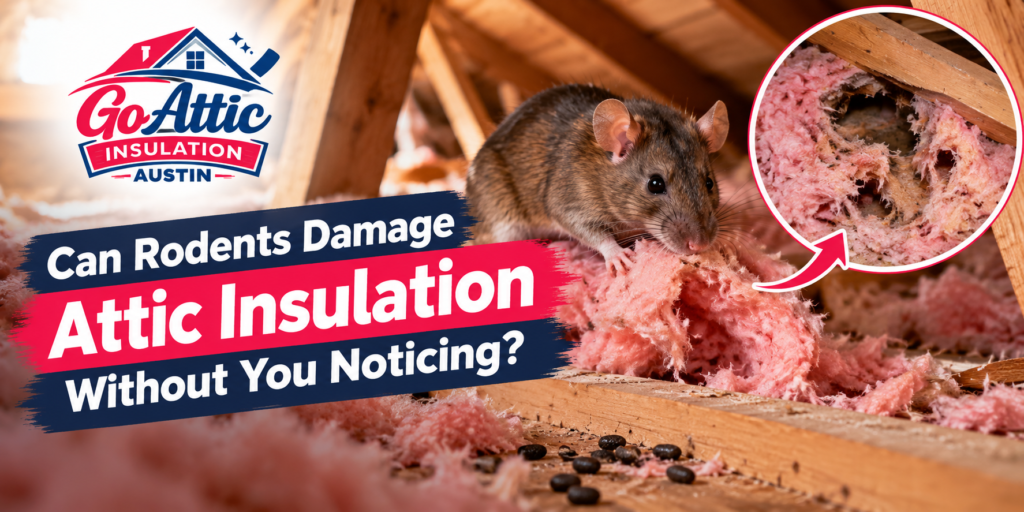
Your attic is one of the most important areas of your home when it comes to maintaining indoor comfort and energy efficiency. However, it is also a common hiding place for unwanted pests, including rats, mice, and other rodents. What makes rodent activity particularly concerning is that these pests can damage your attic insulation for weeks or even months before you realize there is a problem.
For homeowners in Austin, TX, and surrounding areas, rodent infestations can lead to contaminated insulation, unpleasant odors, increased energy costs, and hidden damage. Since most people rarely inspect their attics, the signs of an infestation may go unnoticed until the damage becomes significant.
Understanding how rodents affect attic insulation, recognizing early warning signs, and taking preventive measures can help protect your home and avoid expensive repairs.
1. How Do Rodents Get Into Your Attic?
Rodents are remarkably skilled at finding small openings around a home’s exterior. Mice can squeeze through gaps approximately the width of a pencil, while rats can enter through somewhat larger openings.
Common attic entry points include:
- Gaps around roof vents and soffits
- Damaged or loose roofing materials
- Openings near plumbing and electrical penetrations
- Cracks around exterior walls and rooflines
- Unsealed spaces around attic access points
- Damaged ventilation screens
Once inside, rodents often settle in quiet, undisturbed spaces where they can build nests and reproduce.
Attics are particularly attractive because they provide shelter from outdoor weather, predators, and human activity. Unfortunately, insulation materials can become ideal nesting locations.
2. Rodents Can Tear Apart Your Attic Insulation
One of the most common ways rodents damage attic insulation is by pulling it apart to create nesting materials.
Fiberglass, cellulose, and other loose or flexible insulation materials can be disturbed as rodents move through the attic and build their nests.
Over time, this activity may cause insulation to become:
- Torn or shredded
- Displaced from its original position
- Compressed or unevenly distributed
- Contaminated with nesting materials
- Less effective at maintaining consistent indoor temperatures
When insulation becomes disturbed, its thermal performance can decrease, allowing unwanted heat transfer between your attic and living spaces.
For Austin homeowners, where hot summers can place considerable demand on air conditioning systems, maintaining proper attic insulation is especially important.
3. Rodent Droppings and Urine Can Contaminate Insulation
Rodents do more than physically damage insulation. They can also contaminate it with urine, droppings, and nesting debris.
As rodents move through an attic, they may leave waste in multiple areas, including locations that are difficult to see without a detailed inspection.
Contaminated insulation can create several concerns:
- Persistent unpleasant odors
- Unsanitary conditions in the attic
- Potential exposure to disease-causing organisms
- Contamination of surrounding building materials
- Additional cleanup and insulation replacement needs
Rodent waste should be handled carefully because disturbing contaminated materials can release potentially harmful particles into the air.
Homeowners should avoid dry sweeping or vacuuming rodent droppings with an ordinary household vacuum. Professional assessment and appropriate cleanup procedures are recommended when extensive contamination is present.
4. Can Rodent Damage Affect Your Energy Bills?
Yes. Rodent activity can affect your home’s energy efficiency when insulation becomes displaced, compressed, or damaged.
Attic insulation helps slow heat transfer between your living spaces and the attic. When rodents create tunnels, disturb insulation coverage, or expose previously insulated areas, the insulation may become less effective.
During Austin’s hot summer months, insufficient attic insulation can allow more heat to enter conditioned living spaces.
As a result, your air conditioning system may need to work harder to maintain comfortable indoor temperatures.
You might notice:
- Higher cooling or heating bills
- Uneven temperatures between rooms
- Rooms that feel warmer than usual
- Longer air conditioning cycles
- Reduced overall indoor comfort
Although these symptoms can have several causes, damaged attic insulation is one possible contributing factor worth investigating.
5. Why Rodent Damage Often Goes Unnoticed
Unlike plumbing leaks or visible wall damage, attic insulation problems can remain hidden for long periods.
Most homeowners rarely enter their attics, especially during the summer when attic temperatures can become extremely high.
Rodents also tend to be more active at night, making their movements difficult to detect during normal household activities.
In many cases, the first noticeable signs appear only after the infestation has become established.
Some homeowners discover the problem during routine attic maintenance, HVAC work, roof repairs, or insulation inspections.
This is why periodic attic inspections can be helpful, even when your home appears to be functioning normally.
6. Warning Signs of Rodents in Your Attic
Although rodent activity can remain hidden, several warning signs may indicate that pests are damaging your attic insulation.
Scratching or Scurrying Noises
Unusual scratching, chewing, or running sounds from the ceiling, particularly at night, may indicate rodent activity.
Unpleasant Odors
A persistent musty or ammonia-like smell may result from rodent urine, droppings, or nesting materials.
Visible Droppings
Small dark droppings near attic access points, insulation, or stored belongings can indicate an active or previous infestation.
Damaged Insulation
Insulation that appears shredded, flattened, scattered, or uneven may have been disturbed by rodents.
Chewed Materials
Rodents may gnaw on wood, stored items, and electrical wiring. Damaged wiring can create a serious fire hazard and should be inspected by a qualified electrician.
Unexplained Energy Bill Increases
Sudden changes in cooling or heating costs, especially when accompanied by other warning signs, may suggest reduced insulation performance.
If you notice several of these symptoms, arranging a professional inspection is a practical next step.
7. Can You Keep Using Insulation After Rodent Damage?
Whether damaged insulation can remain in place depends on the extent of physical damage and contamination.
Insulation that has been significantly disturbed or contaminated with rodent urine and droppings may need to be removed and replaced.
Simply adding a new layer of insulation over contaminated materials is generally not an appropriate solution because it leaves the underlying problem unresolved.
Before installing replacement insulation, the infestation should be addressed, rodent entry points should be sealed, and affected areas should be cleaned using appropriate safety procedures.
A professional evaluation can help determine which materials require removal and whether unaffected insulation can remain.
8. Why Professional Attic Insulation Replacement Matters
Replacing rodent-damaged attic insulation involves more than removing old material and installing new insulation.
The process may require identifying contaminated areas, evaluating insulation coverage, protecting surrounding living spaces, and ensuring that replacement materials meet the home’s insulation needs.
A properly planned insulation replacement project may include:
- Attic Inspection: Examine the insulation’s condition and identify visible signs of rodent damage.
- Pest Exclusion: Arrange for rodent removal and seal entry points before replacement work begins.
- Damaged Insulation Removal: Remove contaminated or severely damaged insulation using appropriate protective measures.
- Attic Cleanup: Address waste and contaminated debris according to the extent of the infestation.
- Air Sealing: Seal suitable gaps and openings that contribute to unwanted air movement.
- New Insulation Installation: Install appropriate insulation to restore coverage and improve thermal performance.
When insulation is installed correctly after the rodent problem has been resolved, it can help improve indoor comfort and support better energy efficiency.
9. How to Prevent Rodents From Damaging Your Attic Insulation
Preventive maintenance is one of the best ways to reduce the likelihood of future rodent problems.
Homeowners can take several practical steps to make their properties less attractive and accessible to pests.
Seal Exterior Openings
Inspect rooflines, vents, soffits, and exterior penetrations for gaps. Use appropriate rodent-resistant materials to close entry points.
Maintain Landscaping
Trim tree branches away from the roof and reduce vegetation that provides rodents with easy access to elevated areas.
Control Food Sources
Keep garbage containers properly closed, store pet food securely, and clean up food waste around the property.
Inspect Attic Ventilation
Make sure attic vents have appropriate protective screens without restricting necessary airflow.
Schedule Periodic Inspections
Routine attic inspections can identify early signs of pest activity, insulation disturbance, moisture problems, and other maintenance concerns.
Address Rodent Activity Promptly
If you suspect an infestation, arrange for appropriate pest control or wildlife exclusion services before the problem spreads.
Taking these precautions can help protect both your attic insulation and other important components of your home.
10. Why Attic Insulation Maintenance Is Important in Austin, TX
Austin experiences long, hot summers, with attic temperatures often rising well above outdoor air temperatures.
Proper attic insulation helps reduce unwanted heat transfer, making it easier for your cooling system to maintain comfortable indoor conditions.
When rodents disturb or contaminate insulation, the resulting gaps and damaged areas can reduce thermal performance.
This may contribute to uncomfortable rooms and increased air conditioning demand during periods of extreme heat.
Homeowners in Austin and nearby communities, including Round Rock, Cedar Park, Pflugerville, and Georgetown, can benefit from evaluating attic insulation after a rodent infestation or when signs of damage appear.
Maintaining a properly insulated attic is an important part of keeping your home comfortable and energy-efficient throughout the year.
Frequently Asked Questions About Rodent-Damaged Attic Insulation
Can mice live inside fiberglass attic insulation?
Yes. Mice can create nests and pathways within fiberglass insulation and other flexible insulation materials. Their activity can displace insulation and contaminate surrounding areas.
Does rodent urine ruin attic insulation?
Rodent urine can contaminate insulation and create persistent odors. Depending on the extent of contamination and the insulation material, removal and replacement may be necessary.
Can rodents cause attic insulation to stop working?
Rodents can reduce insulation effectiveness by moving, compressing, or shredding materials. The extent of the performance loss depends on how much insulation has been disturbed.
Should I replace all my attic insulation after a rodent infestation?
Not necessarily. The appropriate amount of replacement depends on the extent of contamination and physical damage. A professional inspection can help determine whether partial or complete replacement is needed.
Will installing new attic insulation keep rodents away?
New insulation alone does not prevent rodents from entering an attic. Entry points must be sealed, and any active infestation should be resolved before replacement insulation is installed.
Final Thoughts
Rodents can damage attic insulation without homeowners noticing, particularly when infestations develop in hidden or rarely inspected areas.
From shredded insulation and contaminated materials to reduced energy efficiency and unpleasant odors, the consequences can become increasingly expensive when left unaddressed.
For homeowners in Austin, TX, maintaining clean, properly installed attic insulation is especially important because effective insulation helps reduce unwanted heat transfer during the region’s long, hot summers.
If you suspect rodents have entered your attic, addressing the infestation and evaluating the insulation’s condition can help prevent further damage and restore your home’s comfort.
Restore Your Attic Insulation With Go Attic Insulation in Austin, TX
Is your attic insulation damaged, contaminated, or no longer providing the comfort your home needs? Go Attic Insulation offers professional attic insulation services for homeowners in Austin, TX, and surrounding areas. Whether your existing insulation has been disturbed by rodents, become worn over time, or needs replacement to improve energy efficiency, our team can help assess its condition and recommend an appropriate insulation solution. We focus on dependable service, quality insulation materials, and proper installation to help homeowners maintain comfortable indoor temperatures throughout the year. Don’t let hidden attic insulation problems affect your home’s comfort or energy efficiency. Contact Go Attic Insulation today to schedule an attic insulation inspection in Austin, TX, and take the first step toward a better-insulated home!